indo adventure- day 12: the wallace line
Good morning!
The Wallace Line
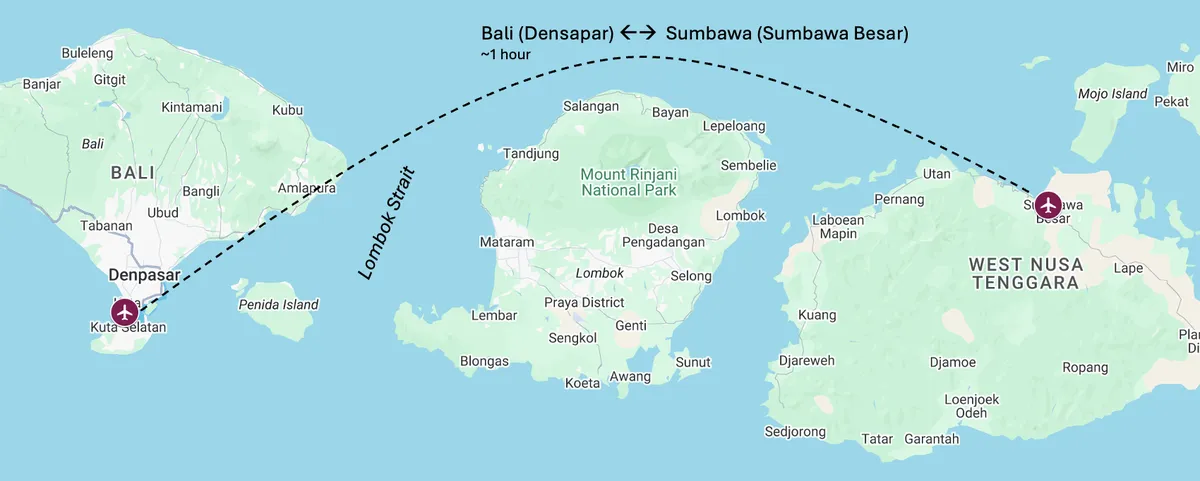
Flying from Bali to Sumbawa only took about an hour. But somewhere over the Lombok Strait, the narrow stretch of deep ocean between Bali and Lombok, I crossed one of the most significant invisible boundaries in the natural world. It's called the Wallace Line, and crossing it means crossing between two entirely different evolutionary histories.
The Wallace Line was identified in the 1850s by Alfred Russel Wallace — the co-discoverer of evolution by natural selection, though significantly less known than his co-discoverer Darwin. Wallace spent eight years travelling through what is now Malaysia and Indonesia, collecting specimens and observing wildlife. Somewhere between Bali and Lombok — islands separated by just 22 miles — he noticed something extraordinary. Despite their proximity and similar climates, the animals on each island were almost completely different. Bali had the fauna of Asia: deer, civets, woodpeckers, the kinds of creatures you'd find across the continent to the west. Lombok had the fauna of Australia: cockatoos, megapodes, marsupials. A 22-mile stretch of water, and two entirely different worlds.
| West of the Line (Bali) | East of the Line (Sumbawa) | |
|---|---|---|
| Biogeographic realm | Oriental (Asian) | Australasian |
| Mammals | Placental (live birth) | Marsupials and endemics |
| Characteristic birds | Woodpeckers, pheasants, barbets | Cockatoos, honeyeaters, megapodes |
| Characteristic mammals | Civets, deer, Asian wild cat | Cuscus (marsupial), endemic bats |
| Continental shelf | Sunda Shelf (connected to Asia) | Sahul Shelf / isolated |
| Ocean depth at boundary | Shallow seas (former land bridge) | Deep strait (permanent barrier) |
The explanation lies in geology, plate tectonics and a lot of time. During the ice ages, when sea levels dropped dramatically, the shallow seas between mainland Asia and the western Indonesian islands became land bridges. Animals could walk from Asia all the way to Bali. But the Lombok Strait is not shallow — it drops to over 4,300 feet (more than 3/4 of a mile) at its deepest point. It never became a land bridge, regardless of sea level. The Asian fauna on the western side and the Australasian fauna on the eastern side evolved in complete isolation for millions of years, developing along entirely different trajectories, and no amount of falling sea level ever let them meet.
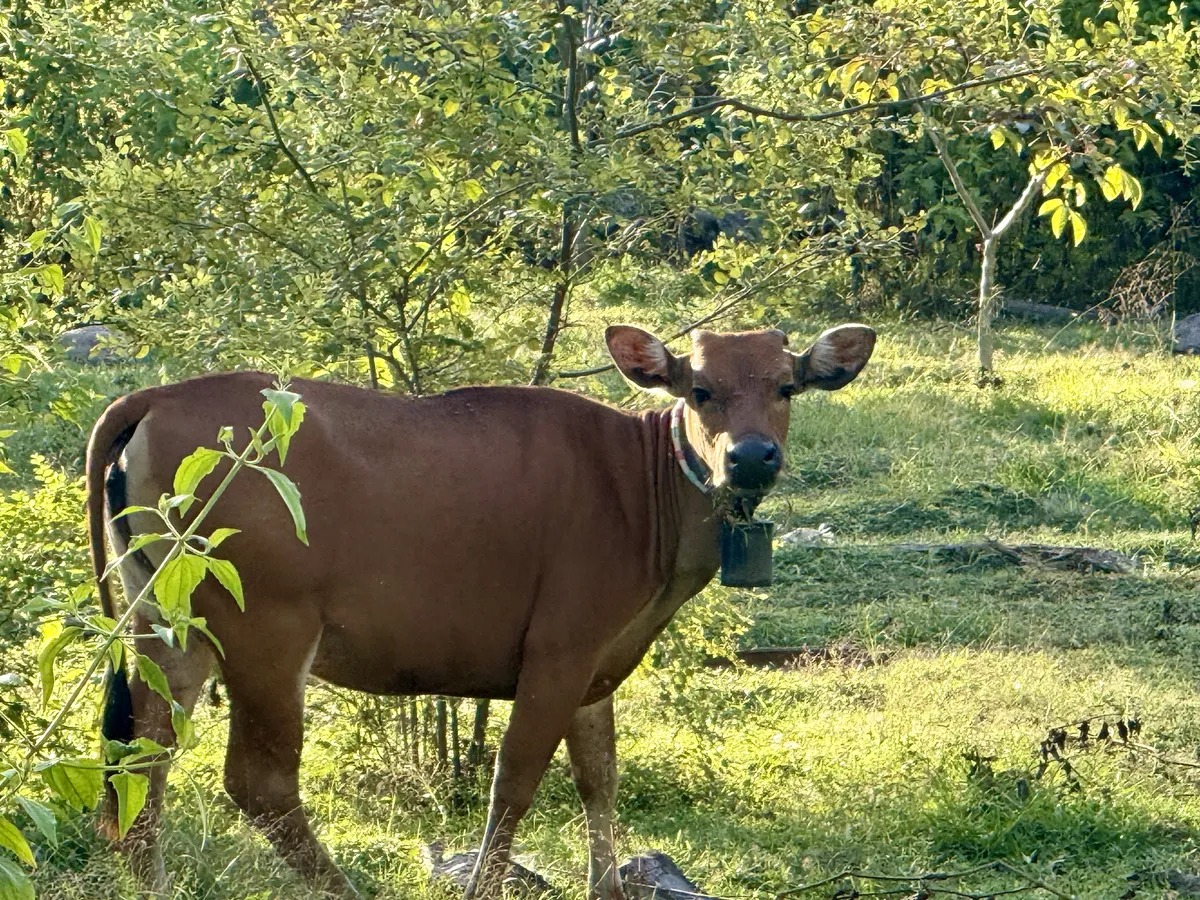
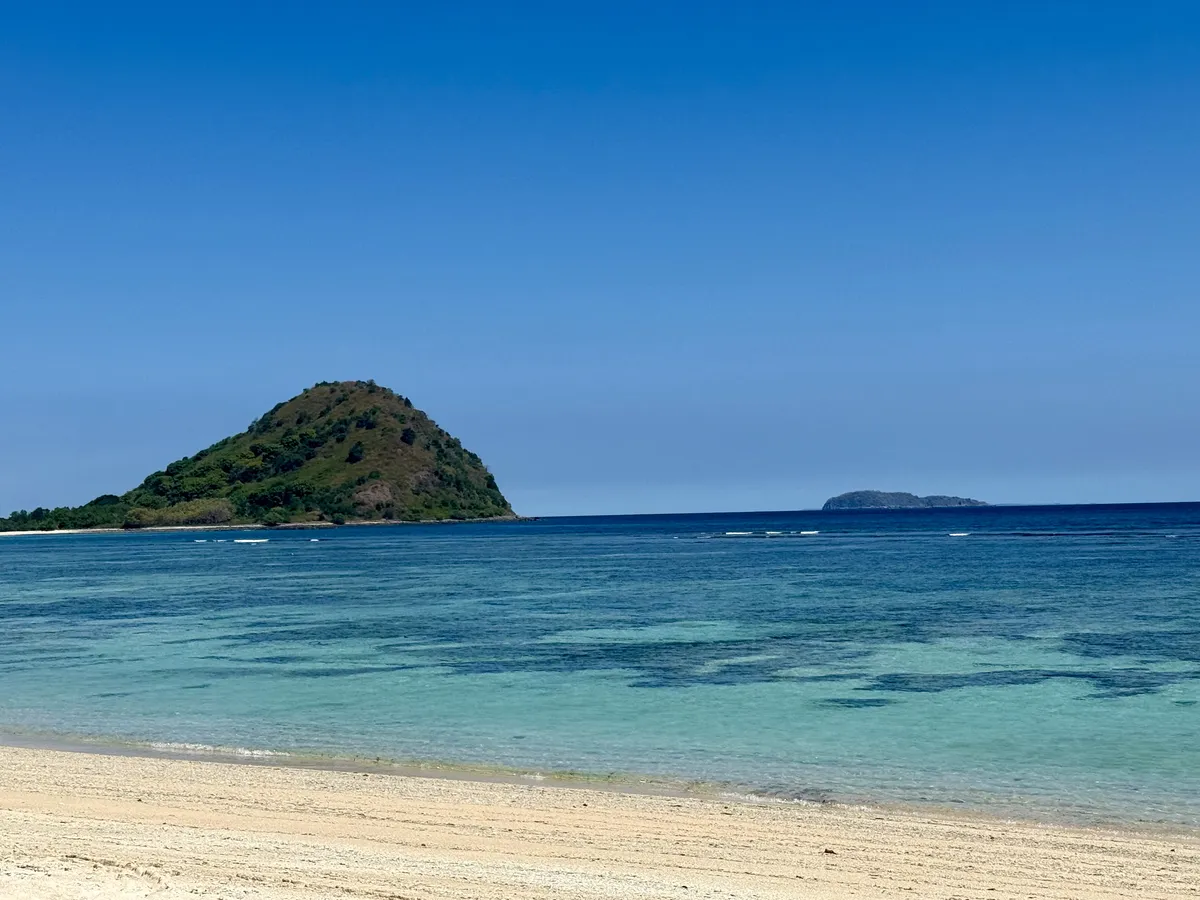
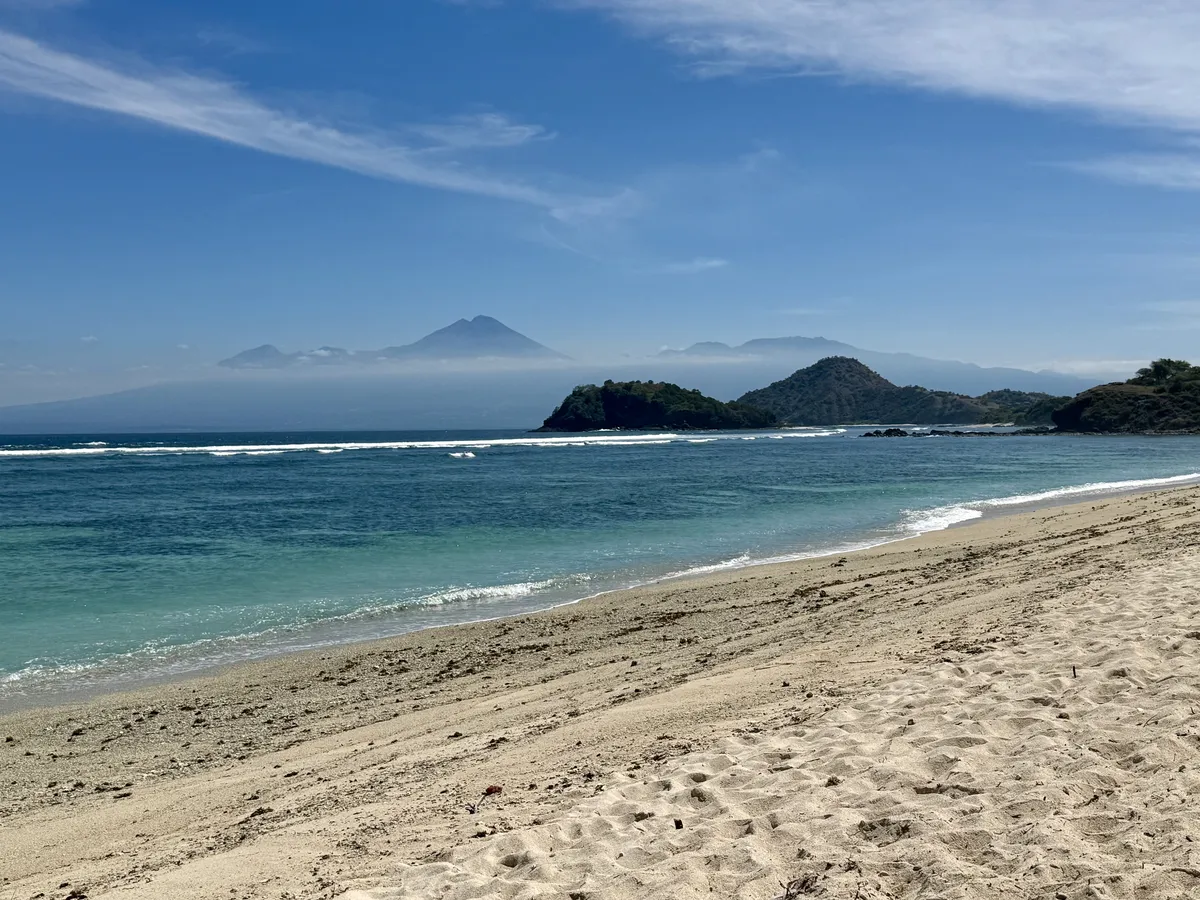
Sumbawa sits east of the Wallace Line, in a region scientists now call Wallacea — a transition zone of islands that were never connected to either continental shelf, and whose wildlife reflects millions of years of isolation and independent evolution. The birds here are Australasian. The mammals are different from anything in Bali. The reef beneath the waves I've been surfing this week is part of the Coral Triangle, the most biodiverse marine ecosystem on earth.
It's pretty amazing to get to see both sides of the Wallace Line on this trip, and to actually see and notice differences.
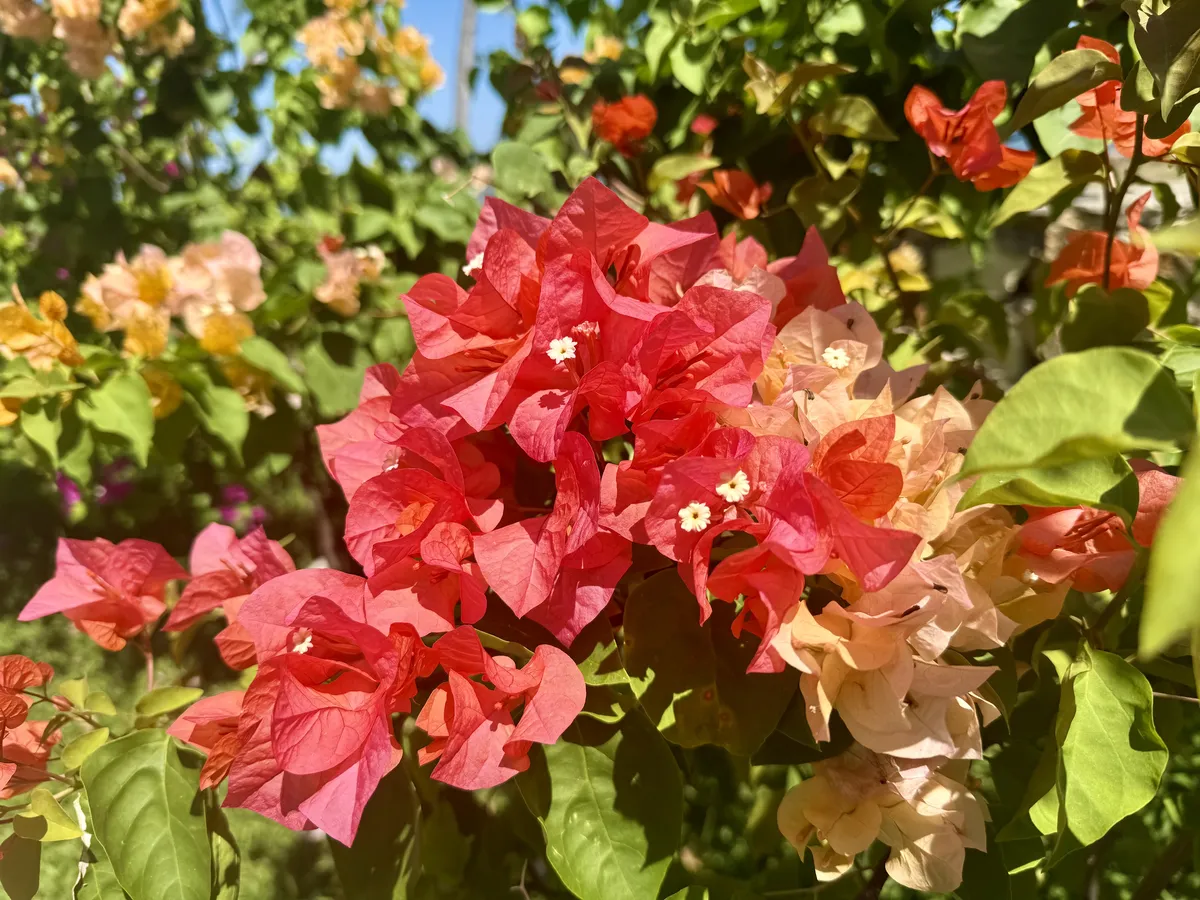
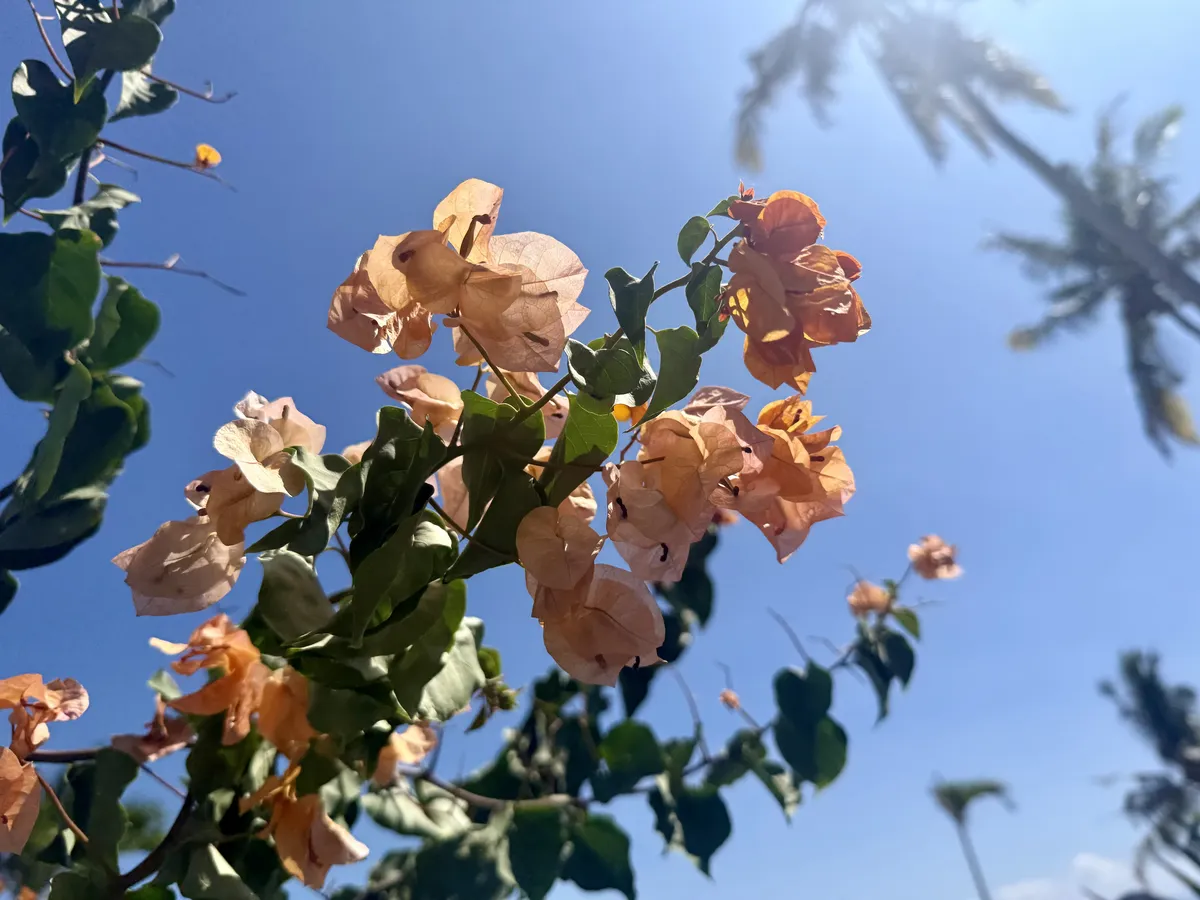
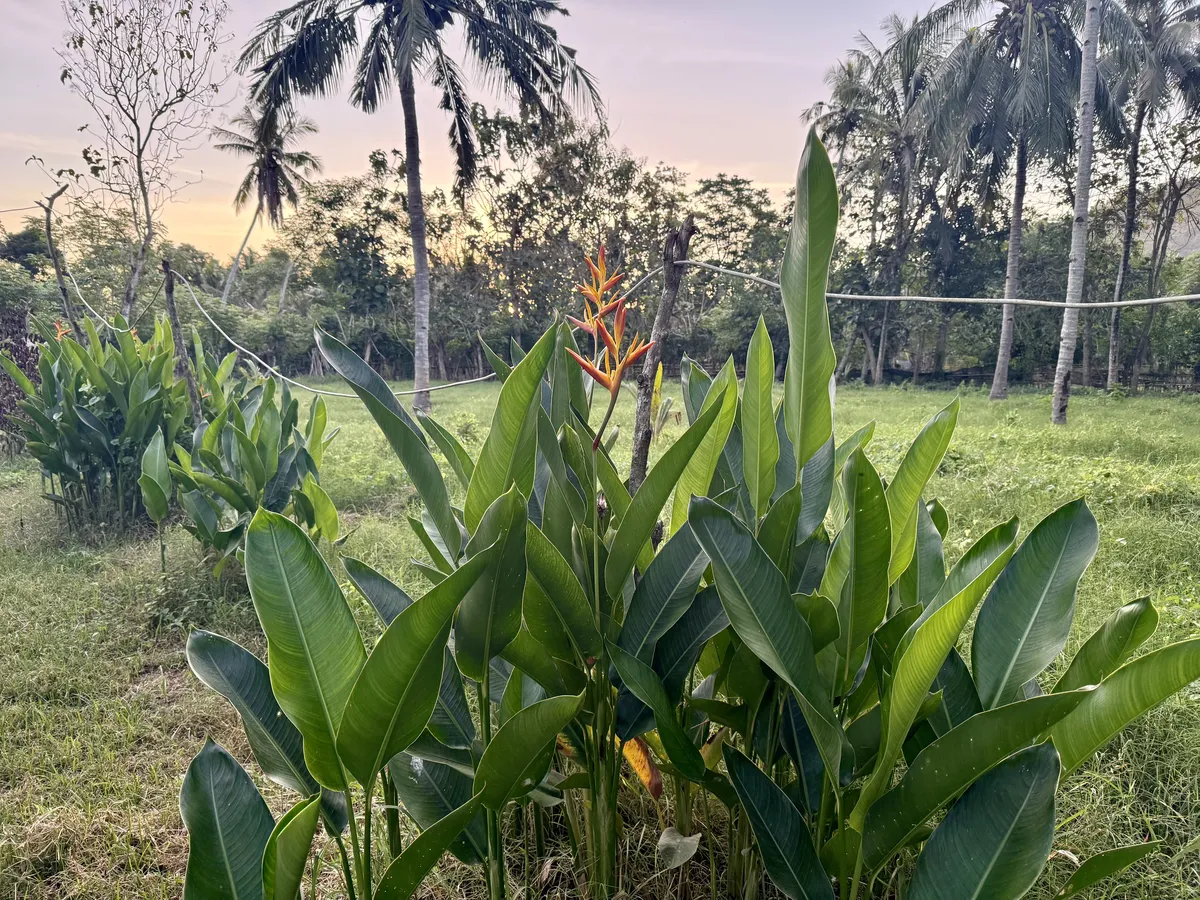
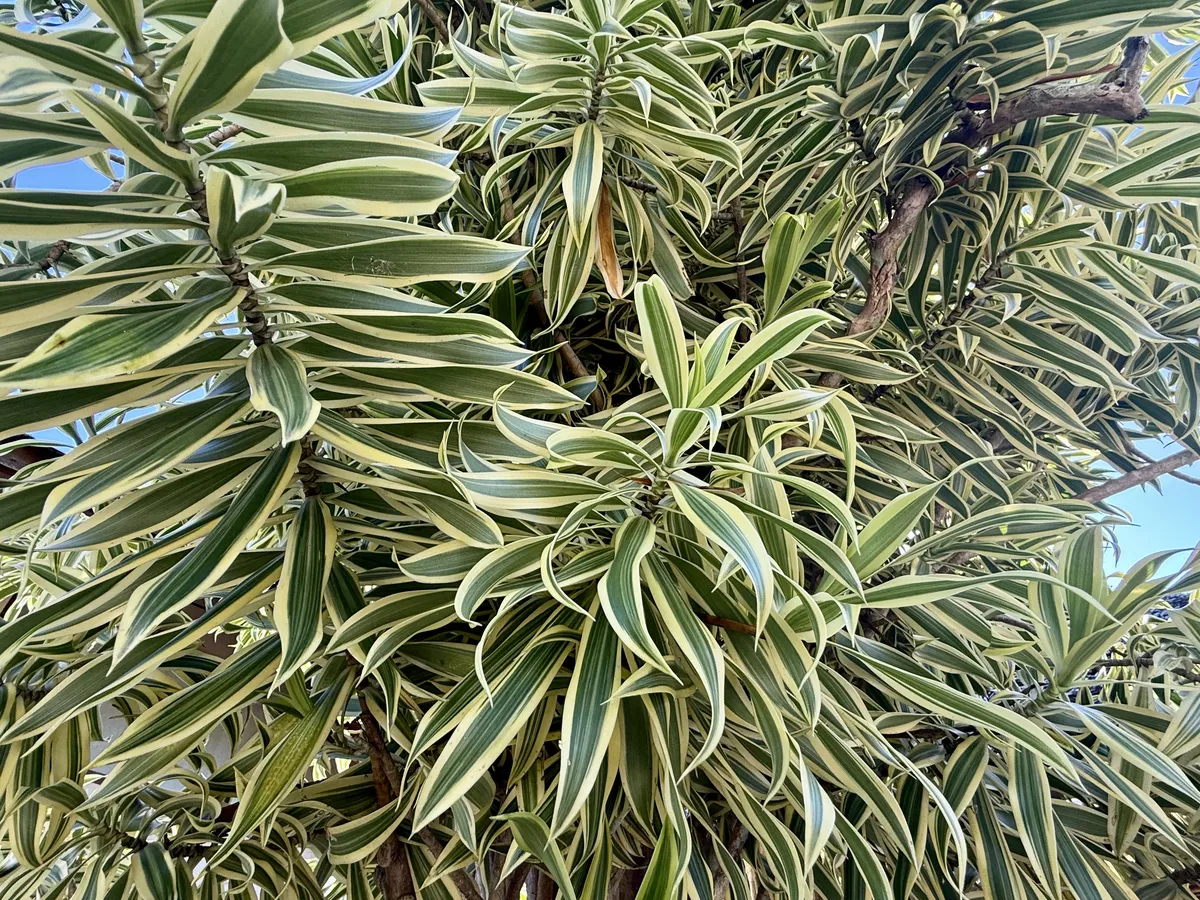
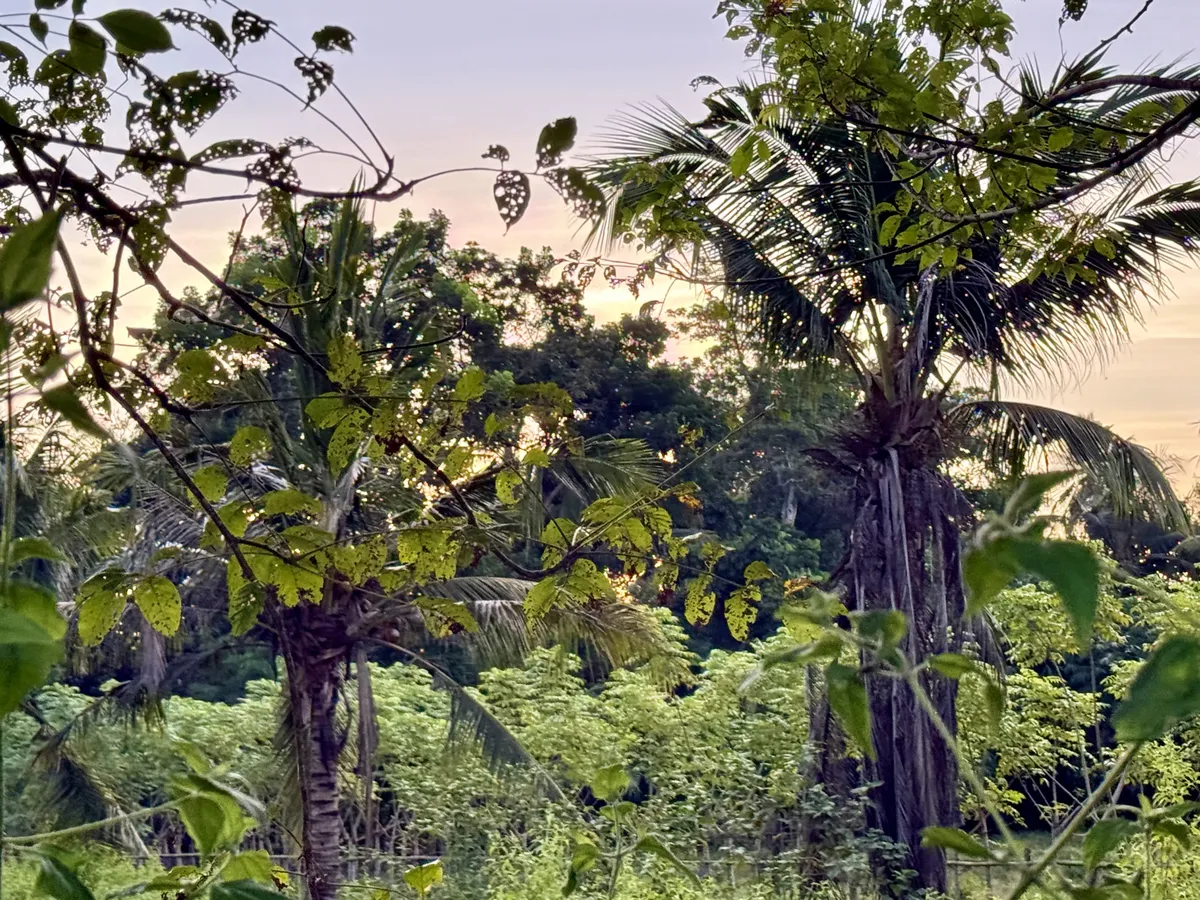
some sumbawa flora