indo adventure - day 10: longboarding, noseriding and volcanos
longboarding
The surf retreat I am attending focuses on longboarding -- the original form of surfing, before the short, high-performance boards that dominate competitive surfing today, all surfing was longboarding.
The story of longboarding starts in Polynesia, where surfing was a spiritual practice and potentially a display of social status. Surfing was an integral part of island culture. Archaeological evidence suggests that Polynesians were riding waves on wooden boards as early as the 12th century.
When surfing was introduced to the mainland United States in the early 20th century -- largely through the influence of Duke Kahanamoku, the Hawaiian Olympic swimmer and surfing ambassador who is considered the father of modern surfing -- longboarding took hold. The classic longboard era of the 1950s and 60s, immortalized in early surf films and the music of the Beach Boys, defined what most people picture when they think of surfing: graceful, flowing, riders walking to the nose of the board (noseriding) and hanging their toes over the tip.
Longboarding fell out of fashion in the late 1960s when the shortboard revolution prioritized performance and manoeuvrability over grace. But it never disappeared, and its revival from the 1980s onward brought it back as a discipline in its own right — one that prizes style, smoothness, and connection with the wave over acrobatics, aerial manoeuvres and radical turns. A longboard is typically nine feet or longer, and the riding style is fundamentally different from shortboarding: you work with the wave rather than against it, finding trim and flow rather than generating speed through aggressive movement. For many surfers, it's the purest form of the sport.
noseriding
Our coaches showed us this neat 10-minute video on "noseriding", where the surfer rides at the front of the board.
the surf spot
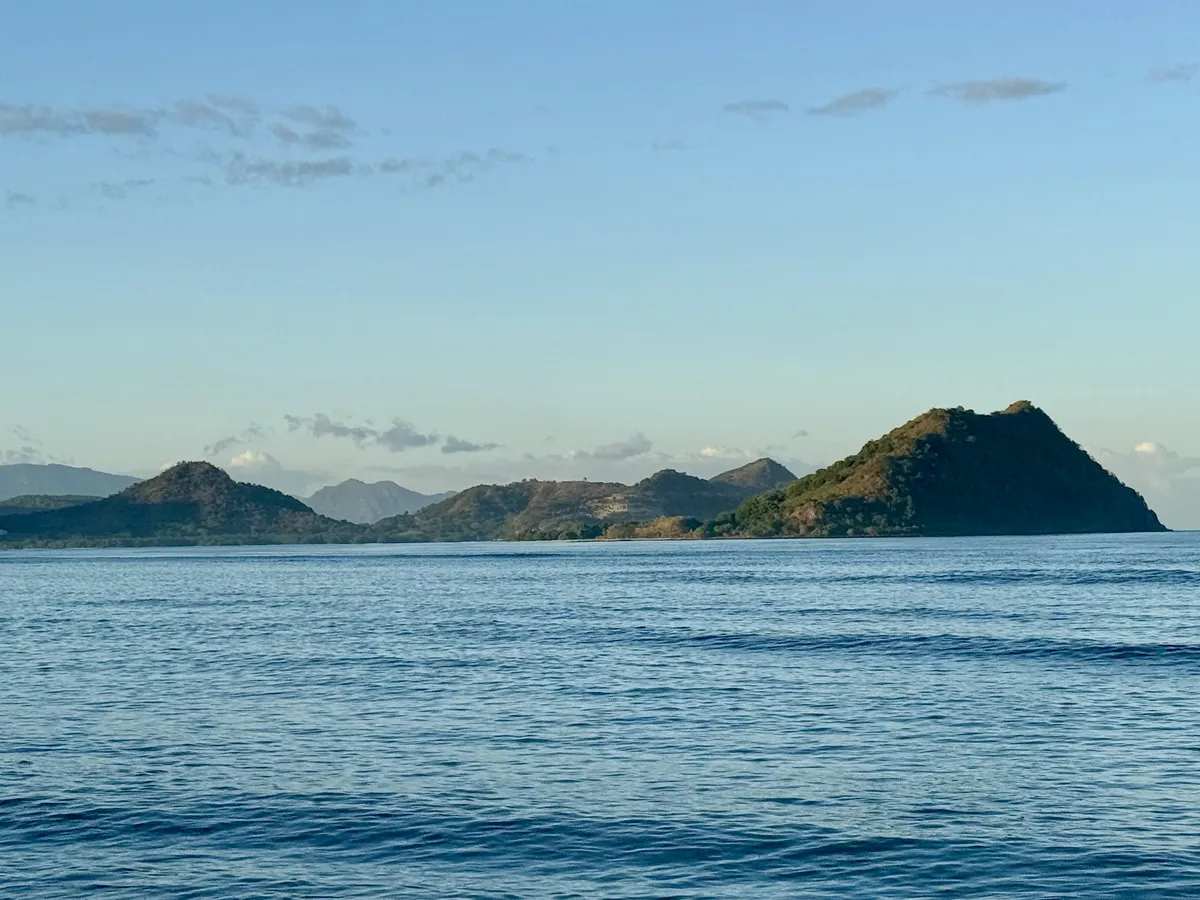
This is the surf spot we have been surfing the past few days:
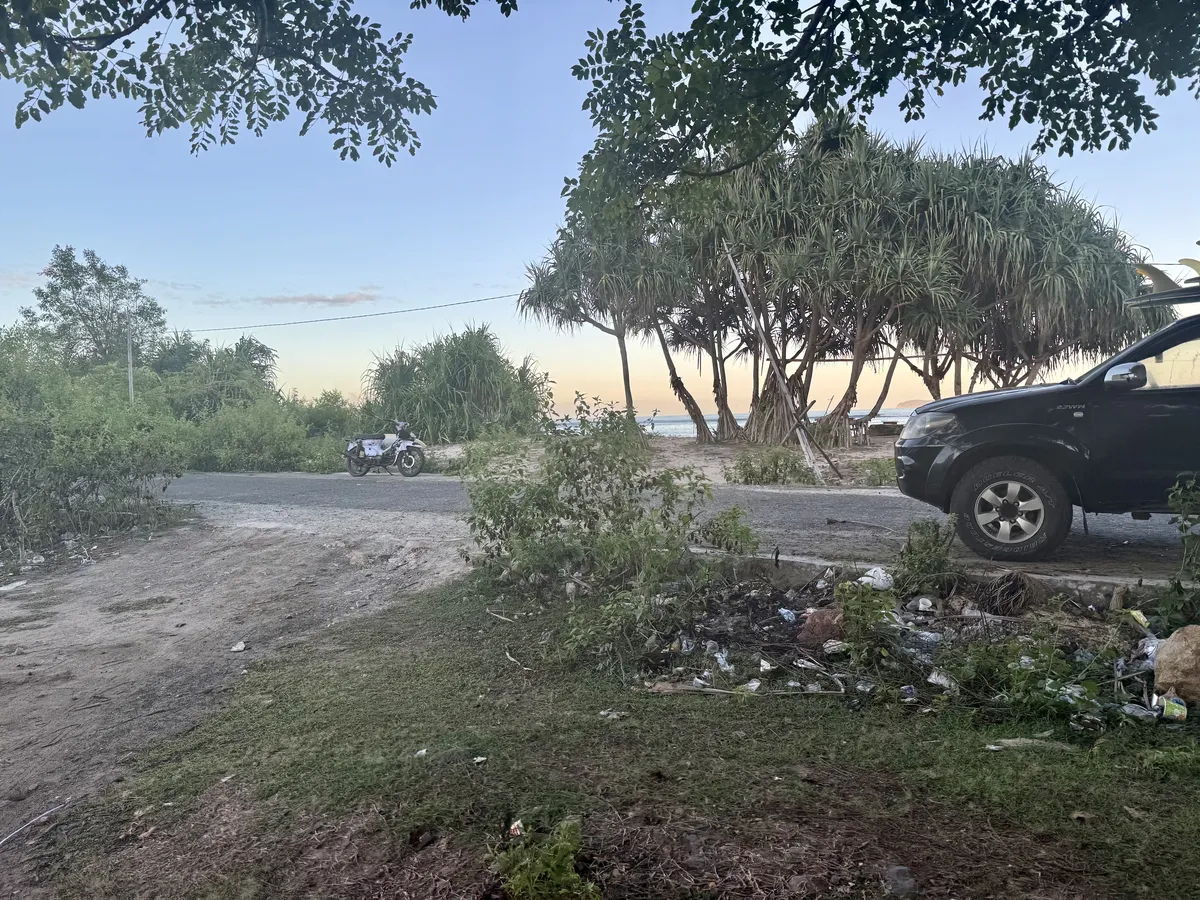
It is within a bay, and this is one of the views of Sumbawa.
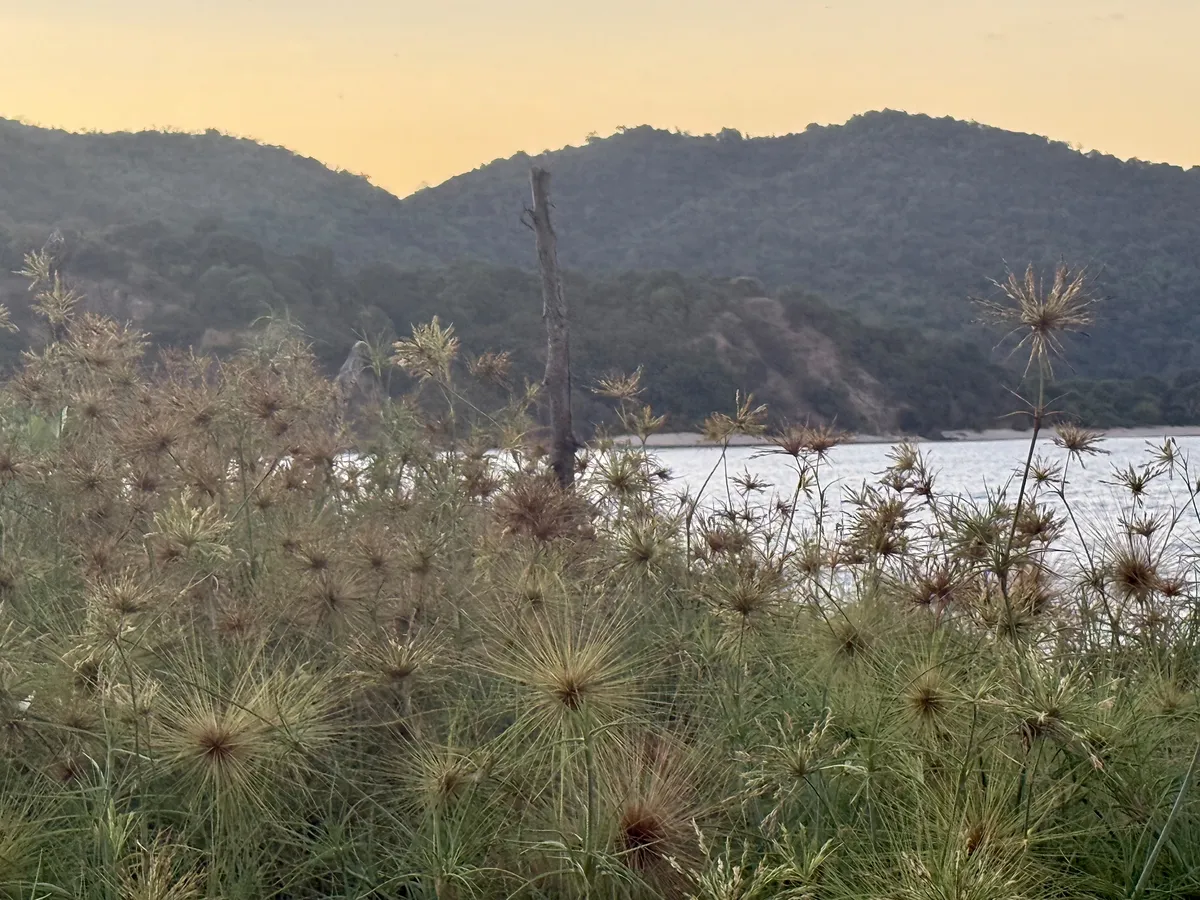
some cool vegetation
Mount Rinjani
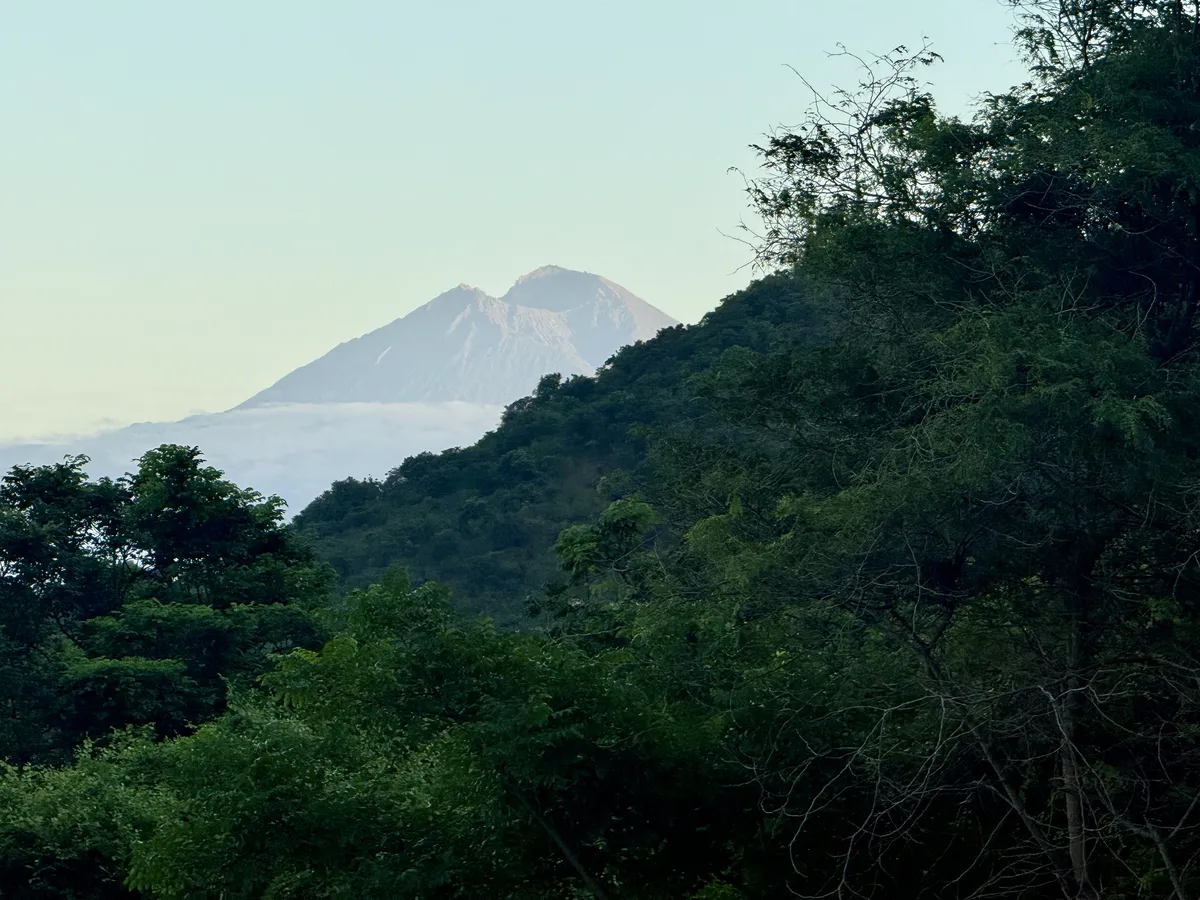
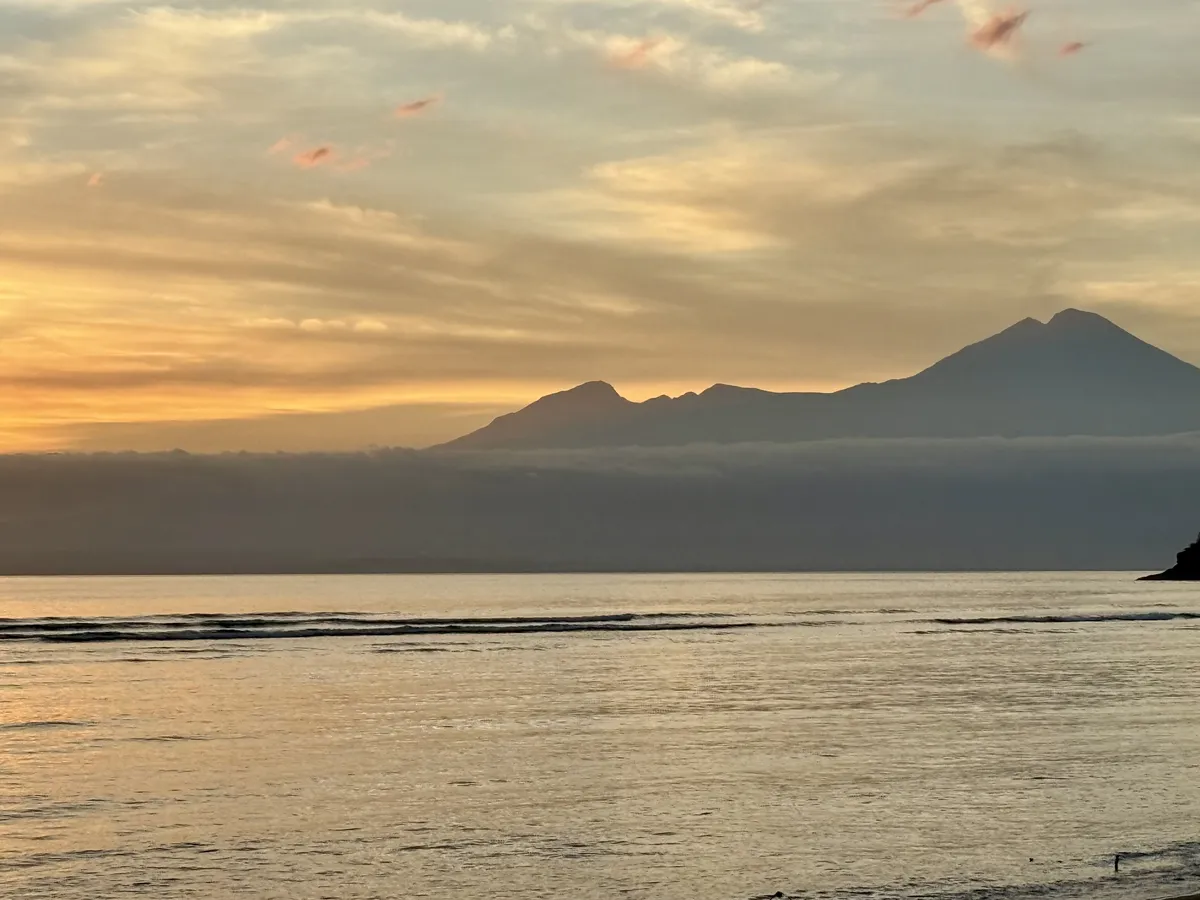
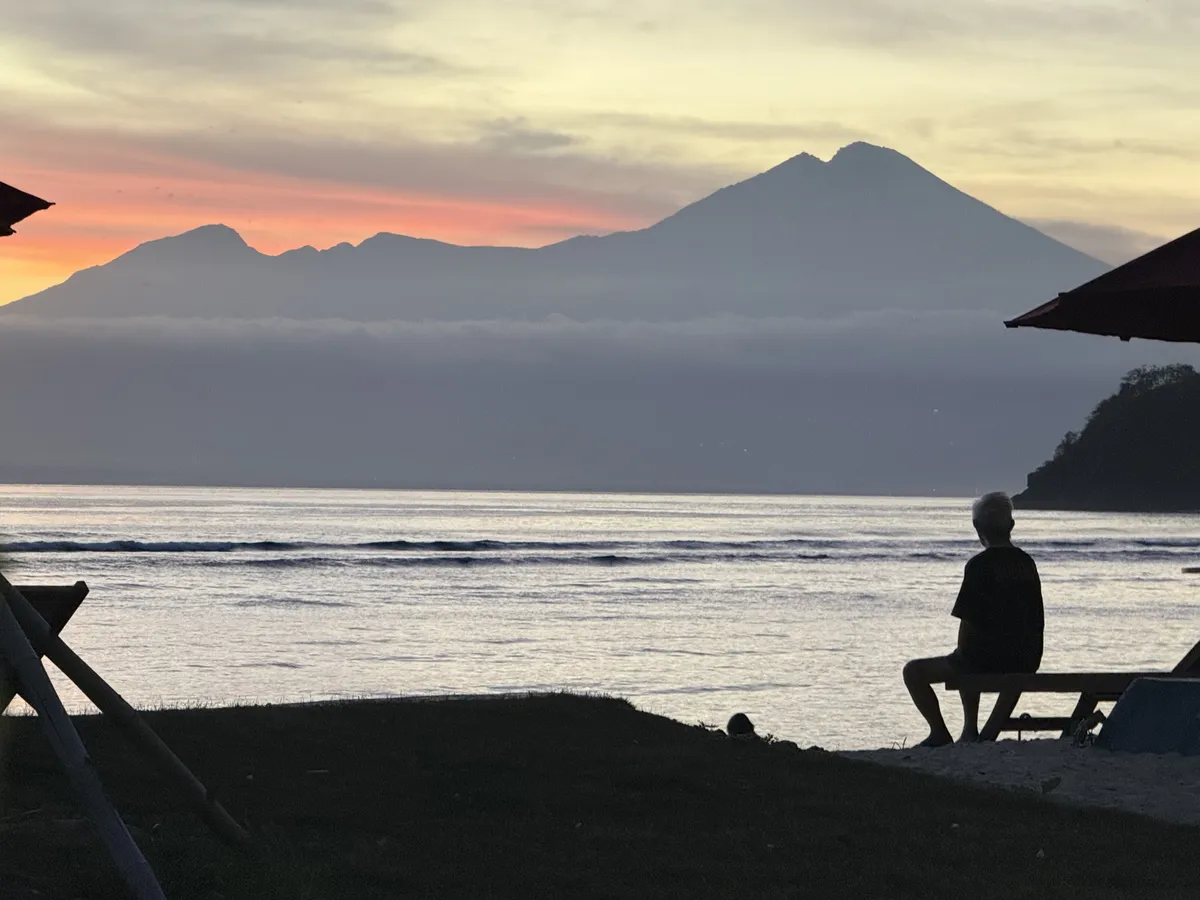
From the western shores of Sumbawa where we are located, we get spectacular views of Mount Rinjani, an active volcano on the neighboring island of Lombok.